Connect With Us
Blog
Items filtered by date: December 2025
Tuesday, 30 December 2025 00:00
Salvation Army Collected Shoes For Children
 A campaign launched by the Salvation Army earlier this season aimed to keep children’s feet warm and dry this winter. The campaign, Boots for Yoops, collected boots, shoes, and socks for various children in need. Leonita Schweigert, the campaign’s creator, shared, “I decided instead of duplicating services and doing Coats for Kids like everybody does, that there are so many kids without proper shoes. To determine who exactly is in need of winter shoes, Schweigert contacted local schools to obtain names and sizes of children in need. New shoes and boots are being requested as to avoid potential health issues, such as Athlete’s foot. The campaign finished its run at the end of February.
Making sure that your children maintain good foot health is very important as they grow. If you have any questions, contact Imaze Marian Davis, DPM of Marian Davis, DPM, PA. Our doctors can provide the care you need to keep you pain-free and on your feet.
Keeping Children's Feet Healthy
Having healthy feet during childhood can help prevent medical problems later in life, namely in the back and legs. As children grow, their feet require different types of care. Here are some things to consider...
Although babies do not walk yet, it is still very important to take care of their feet.
Avoid putting tight shoes or socks on his or her feet.
Allow the baby to stretch and kick his or her feet to feel comfortable.
As a toddler, kids are now on the move and begin to develop differently. At this age, toddlers are getting a feel for walking, so don’t be alarmed if your toddler is unsteady or ‘walks funny’.
As your child gets older, it is important to teach them how to take care of their feet.
Show them proper hygiene to prevent infections such as fungus.
Be watchful for any pain or injury.
Have all injuries checked by a doctor as soon as possible.
Comfortable, protective shoes should always be worn, especially at play.
If you have any questions, please feel free to contact our office located in Miami, FL . We offer the newest diagnostic and treatment technologies for all your foot care needs.
Sunday, 28 December 2025 00:00
Do You Suffer From Painful Feet?

Painful deformities, such as hammertoes, can be treated. Stop living with foot pain, and have beautiful feet again!
Tuesday, 23 December 2025 00:00
Growing Feet and Aching Heels

Sever's disease is a common cause of heel pain in active children, particularly during growth spurts when the heel bone develops faster than the surrounding soft tissues. Symptoms include limping after sports, avoiding pressure on the heel, or walking on their toes to reduce discomfort. It may feel like a sharp ache at the back of the heel that worsens with running or jumping. The condition is usually caused by repetitive stress on the heel growth plate, tight calf muscles, or sudden increases in activity. Helpful stretches include the soleus stretch, which gently lengthens the lower calf, and heel dips, which improve flexibility and reduce strain on the heel. A podiatrist can assist from the start by providing a clear diagnosis, assessing foot structure, and recommending personalized treatments. Among them are activity modification, stretching programs, supportive footwear, and orthotic devices. If your active child is experiencing heel pain, it is suggested that you make an appointment with a podiatrist.
Sever's disease often occurs in children and teens. If your child is experiencing foot or ankle pain, see Imaze Marian Davis, DPM from Marian Davis, DPM, PA. Our doctors can treat your child’s foot and ankle needs.
Sever’s Disease
Sever’s disease is also known as calcaneal apophysitis, which is a medical condition that causes heel pain I none or both feet. The disease is known to affect children between the ages of 8 and 14.
Sever’s disease occurs when part of the child’s heel known as the growth plate (calcaneal epiphysis) is attached to the Achilles tendon. This area can suffer injury when the muscles and tendons of the growing foot do not keep pace with bone growth. Therefore, the constant pain which one experiences at the back of the heel will make the child unable to put any weight on the heel. The child is then forced to walk on their toes.
Symptoms
Acute pain – Pain associated with Sever’s disease is usually felt in the heel when the child engages in physical activity such as walking, jumping and or running.
Highly active – Children who are very active are among the most susceptible in experiencing Sever’s disease, because of the stress and tension placed on their feet.
If you have any questions, please feel free to contact our office located in Miami, FL . We offer the newest diagnostic and treatment technologies for all your foot care needs.
Tuesday, 16 December 2025 00:00
Toenail Fungus and Foot Health
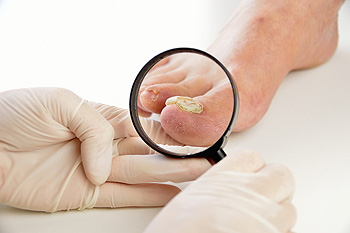
Toenail fungus, known medically as onychomycosis, affects the nails of the toes and can interfere with overall foot health. This infection occurs when fungi penetrate the nail bed, often thriving in warm, moist environments such as those created by tight shoes or damp socks. Infected nails can become thick, brittle, and discolored, sometimes causing discomfort or pressure when walking. Over time, the fungal toenail infection can spread to other toenails or surrounding skin, leading to pain or secondary infections if left untreated. A podiatrist can diagnose toenail fungus through a careful examination and laboratory testing to confirm the cause. Proper treatment helps prevent further nail damage and improves the appearance and health of the affected nails. In some cases, a podiatrist may recommend surgery to remove a severely infected nail and allow healthy regrowth. If you have been infected by a toenail fungus, it is suggested that you make an appointment with a podiatrist for a diagnosis and suggested treatment.
For more information about treatment, contact Imaze Marian Davis, DPM of Marian Davis, DPM, PA. Our doctors can provide the care you need to keep you pain-free and on your feet.
Toenail Fungus Treatment
Toenail fungus is a condition that affects many people and can be especially hard to get rid of. Fortunately, there are several methods to go about treating and avoiding it.
Antifungals & Deterrence
Oral antifungal medicine has been shown to be effective in many cases. It is important to consult with a podiatrist to determine the proper regiment for you, or potentially explore other options.
Applying foot powder on the feet and shoes helps keep the feet free of moisture and sweat.
Sandals or open toed shoes – Wearing these will allow air movement and help keep feet dry. They also expose your feet to light, which fungus cannot tolerate. Socks with moisture wicking material also help as well.
If you have any questions please contact our office located in Miami, FL . We offer the newest diagnostic and treatment technologies for all your foot and ankle needs.
Tuesday, 09 December 2025 00:00
Fracture Blisters and When to Seek Care
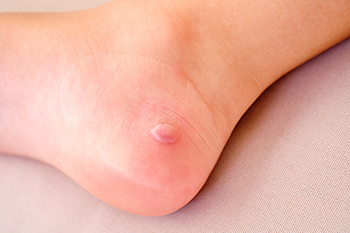
A fracture blister is a skin reaction that develops after a bone is fractured, usually in areas where the skin is thin and close to the underlying bone. These blisters form due to swelling and increased pressure, and they can appear within hours or days of the injury. Symptoms may include clear or blood-filled blisters, tight skin on top of the blisters, redness, and tenderness around the injured area. This type of blister indicates significant trauma and requires careful management to prevent infection and complications. A podiatrist can evaluate the injury, protect the skin, and provide guidance for safe healing while addressing the underlying fracture. If you notice blisters after an injury, it is suggested that you promptly consult a podiatrist for proper treatment and protection.
Blisters are prone to making everyday activities extremely uncomfortable. If your feet are hurting, contact Imaze Marian Davis, DPM of Marian Davis, DPM, PA. Our doctors can provide the care you need to keep you pain-free and on your feet.
Foot Blisters
Foot blisters develop as a result of constantly wearing tight or ill-fitting footwear. This happens due to the constant rubbing from the shoe, which can often lead to pain.
What Are Foot Blisters?
A foot blister is a small fluid-filled pocket that forms on the upper-most layer of the skin. Blisters are filled with clear fluid and can lead to blood drainage or pus if the area becomes infected.
How Do Blisters Form?
Blisters on the feet are often the result of constant friction of skin and material, usually by shoe rubbing. Walking in sandals, boots, or shoes that don’t fit properly for long periods of time can result in a blister. Having consistent foot moisture and humidity can easily lead to blister formation.
Prevention & Treatment
It is important to properly care for the affected area in order to prevent infection and ease the pain. Do not lance the blister and use a Band-Aid to provide pain relief. Also, be sure to keep your feet dry and wear proper fitting shoes. If you see blood or pus in a blister, seek assistance from a podiatrist.
If you have any questions, please feel free to contact our office located in Miami, FL . We offer the newest diagnostic and treatment technologies for all your foot care needs.
Tuesday, 02 December 2025 00:00
Puncture Wounds on the Feet

Puncture wounds on the feet occur when sharp objects such as nails, glass, or animal teeth pierce the skin and penetrate into deeper tissues. While puncture wounds may seem minor, they often create narrow entry points that drive bacteria and debris beneath the surface, which increases the risk of infection. Because the foot bears weight and is exposed to the ground, puncture wounds in this area can be more complicated than similar injuries elsewhere. Complications may include abscess formation, damage to tendons or bones, or serious infection requiring advanced care. A podiatrist can evaluate the extent of the puncture wound, ensure that any foreign material is safely removed, and determine whether imaging or surgery is necessary. Proper medical care can help prevent long-term problems, such as tissue damage, joint involvement, or in severe cases, limb loss. If you have sustained a puncture wound on the foot, it is suggested that you make an appointment with a podiatrist for an exam and treatment.
Wound care is an important part in dealing with diabetes. If you have diabetes and a foot wound or would like more information about wound care for diabetics, consult with Imaze Marian Davis, DPM from Marian Davis, DPM, PA. Our doctors will assess your condition and provide you with quality foot and ankle treatment.
What Is Wound Care?
Wound care is the practice of taking proper care of a wound. This can range from the smallest to the largest of wounds. While everyone can benefit from proper wound care, it is much more important for diabetics. Diabetics often suffer from poor blood circulation which causes wounds to heal much slower than they would in a non-diabetic.
What Is the Importance of Wound Care?
While it may not seem apparent with small ulcers on the foot, for diabetics, any size ulcer can become infected. Diabetics often also suffer from neuropathy, or nerve loss. This means they might not even feel when they have an ulcer on their foot. If the wound becomes severely infected, amputation may be necessary. Therefore, it is of the upmost importance to properly care for any and all foot wounds.
How to Care for Wounds
The best way to care for foot wounds is to prevent them. For diabetics, this means daily inspections of the feet for any signs of abnormalities or ulcers. It is also recommended to see a podiatrist several times a year for a foot inspection. If you do have an ulcer, run the wound under water to clear dirt from the wound; then apply antibiotic ointment to the wound and cover with a bandage. Bandages should be changed daily and keeping pressure off the wound is smart. It is advised to see a podiatrist, who can keep an eye on it.
If you have any questions please contact our office located in Miami, FL . We offer the newest diagnostic and treatment technologies for all your foot and ankle needs.