Connect With Us
Blog
Items filtered by date: July 2025
Wednesday, 30 July 2025 00:00
Do Your Child's Feet Hurt?

Have your child's feet been examined lately? Healthy feet are happy feet. If your child is complaining of foot pain, it may be a sign of underlying problems.
Tuesday, 29 July 2025 00:00
How a Podiatrist Diagnoses Gout

Gout is a form of arthritis caused by a buildup of uric acid crystals in the joints, often affecting the big toe. It can cause sudden, intense pain, redness, warmth, and swelling, making it difficult to walk or wear shoes. To diagnose gout, a podiatrist may recommend a blood test to check uric acid levels. However, high levels do not always mean gout, so joint fluid analysis is often more accurate. This involves drawing fluid from the affected joint to look for uric acid crystals under a microscope. Imaging tests like X-rays or ultrasounds may be used to rule out other conditions or to detect crystal buildup and joint damage. Once diagnosed, treatment for gout includes anti-inflammatory medications, dietary changes, and medications to lower uric acid. If you are dealing with toe pain that you suspect may be gout, it is suggested that you schedule an appointment with a podiatrist who can help you to manage this painful condition.
Gout is a foot condition that requires certain treatment and care. If you are seeking treatment, contact Imaze Marian Davis, DPM from Marian Davis, DPM, PA. Our doctors will treat your foot and ankle needs.
What Is Gout?
Gout is a type of arthritis caused by a buildup of uric acid in the bloodstream. It often develops in the foot, especially the big toe area, although it can manifest in other parts of the body as well. Gout can make walking and standing very painful and is especially common in diabetics and the obese.
People typically get gout because of a poor diet. Genetic predisposition is also a factor. The children of parents who have had gout frequently have a chance of developing it themselves.
Gout can easily be identified by redness and inflammation of the big toe and the surrounding areas of the foot. Other symptoms include extreme fatigue, joint pain, and running high fevers. Sometimes corticosteroid drugs can be prescribed to treat gout, but the best way to combat this disease is to get more exercise and eat a better diet.
If you have any questions, please feel free to contact our office located in Miami, FL . We offer the newest diagnostic and treatment technologies for all your foot care needs.
Tuesday, 22 July 2025 00:00
How Weight and Health Affect Your Feet

Feet carry the body’s full weight with every step, making them especially vulnerable when health is not at its best. Extra pounds can place excess pressure on the arches, heels, and joints, often leading to pain, inflammation, or instability. A lack of movement can weaken muscles and limit circulation, setting the stage for long-term damage. Diabetes adds further risk, as poor blood flow and nerve changes may prevent a person from noticing injuries. Small cuts or pressure spots can turn into serious infections, if left untreated. In combination, these factors often make foot care more complex and more important. Ignoring foot discomfort can lead to lasting problems, especially when other health concerns are involved. If your feet ache, swell, or feel numb, it is suggested that you see a podiatrist for a personalized evaluation and plan to keep you steady, mobile, and protected.
The more you weigh, the harder your feet must work to support your body. If you’re an obese individual and are concerned about your feet, contact Imaze Marian Davis, DPM from Marian Davis, DPM, PA. Our doctors can provide the care you need to keep you pain-free and on your feet.
Obesity and Your Feet
People who are overweight are putting more pressure on their ankles, knees, and hips as well as their feet. This unfortunately can lead to variety of different issues.
Problems & Complications Stemming from Obesity
- When the body is overweight, it tries to compensate by changing the way that it moves. An obese person may lean forward and put extra weight on the wrong part of the foot. This puts unnecessary stress on the feet.
- Obese people are also more likely to develop type II diabetes which is a condition that causes a lot of foot problems. People with diabetes often don’t feel the cuts and sores that they may have on their feet, which can lead to more complicated and severe issues.
- Plantar fasciitis is another foot condition that can be caused by obesity. Plantar fasciitis is an inflammation of the tissue along the bottom of the foot, which causes pain and stiffness while walking and climbing stairs.
If you have any questions please contact our office located in Miami, FL . We offer the newest diagnostic and treatment technologies for all your foot and ankle needs.
Tuesday, 15 July 2025 00:00
Common Foot Injuries From Running

Running can lead to several common foot injuries, such as plantar fasciitis, stress fractures, Achilles tendinopathy, and shin splints. These conditions often result from overuse, poor running form, wearing shoes that lack adequate support, or a sudden increase in training intensity. Risk factors include flat feet, high arches, tight muscles, and inadequate warm-up routines. Prevention involves wearing proper footwear, stretching regularly, and gradually increasing activity levels. A podiatrist can assess foot structure, diagnose injuries, and provide custom orthotics, and guidance on safe training habits. If you are experiencing foot pain related to running, it is suggested that you visit a podiatrist who can treat various foot and ankle injuries, and guide you on effective running injury prevention tips.
Exercising your feet regularly with the proper foot wear is a great way to prevent injuries. If you have any concerns about your feet, contact Imaze Marian Davis, DPM of Marian Davis, DPM, PA. Our doctors will treat your foot and ankle needs.
How to Prevent Running Injuries
Many common running injuries are caused by overuse and overtraining. When the back of the kneecap starts wearing out and starts causing pain in your knee, this is commonly referred to as runner’s knee. Runner’s knee is a decrease in strength in your quadriceps and can occur if you’re not wearing properly fitted or supporting shoes. To prevent runner’s knee, focusing on hip strengthening is a good idea, as well as strengthening your quads to keep the kneecaps aligned.
What Are Some Causes of Running Injuries?
- One cause of a common running injury is called iliotibial band syndrome.
- Plantar fasciitis is also another common injury.
- Stress fractures can occur from overtraining, lack of calcium, or even your running style.
Best Ways to Prevent Running Injuries
- Wear footwear that fits properly and suits your running needs.
- Running shoes are the only protective gear that runners have to safeguard them from injury.
- Make a training schedule. Adding strengthening exercises as well as regular stretching can help keep you strong and limber and can lessen the possibility of injuries.
- Stretching keeps muscles limber; this will help you gain better flexibility.
If you have any questions, please feel free to contact our office located in Miami, FL . We offer the newest diagnostic and treatment technologies for all your foot care needs.
Tuesday, 08 July 2025 00:00
What to Know About Tarsal Tunnel Syndrome

Tarsal tunnel syndrome is caused by compression of the posterior tibial nerve as it passes through the tarsal tunnel on the inner side of the ankle. This pressure can lead to tingling, burning, numbness, or shooting pain in the foot or ankle. Causes include flat feet, injury, swelling, or underlying conditions like diabetes or arthritis. Risk factors include repetitive stress, improper footwear, and prolonged standing. A podiatrist can diagnose this condition using physical exams and imaging, then provide treatment options, such as orthotics or medication. If you notice ongoing foot pain or numbness, it is suggested that you consult a podiatrist who can accurately diagnose and treat tarsal tunnel syndrome.
Tarsal tunnel syndrome can be very uncomfortable to live with. If you are experiencing tarsal tunnel syndrome, contact Imaze Marian Davis, DPM of Marian Davis, DPM, PA. Our doctors can provide the care you need to keep you pain-free and on your feet.
Tarsal Tunnel Syndrome
Tarsal tunnel syndrome, which can also be called tibial nerve dysfunction, is an uncommon condition of misfiring peripheral nerves in the foot. The tibial nerve is the peripheral nerve in the leg responsible for sensation and movement of the foot and calf muscles. In tarsal tunnel syndrome, the tibial nerve is damaged, causing problems with movement and feeling in the foot of the affected leg.
Common Cause of Tarsal Tunnel Syndrome
- Involves pressure or an injury, direct pressure on the tibial nerve for an extended period of time, sometimes caused by other body structures close by or near the knee.
- Diseases that damage nerves, including diabetes, may cause tarsal tunnel syndrome.
- At times, tarsal tunnel syndrome can appear without an obvious cause in some cases.
The Effects of Tarsal Tunnel Syndrome
- Different sensations, an afflicted person may experience pain, tingling, burning or other unusual sensations in the foot of the affected leg.
- The foot muscles, toes and ankle become weaker, and curling your toes or flexing your foot can become difficult.
- If condition worsens, infections and ulcers may develop on the foot that is experiencing the syndrome.
A physical exam of the leg can help identify the presence of tarsal tunnel syndrome. Medical tests, such as a nerve biopsy, are also used to diagnose the condition. Patients may receive physical therapy and prescriptive medication. In extreme cases, some may require surgery.
If you have any questions please contact our office located in Miami, FL . We offer the newest diagnostic and treatment technologies for all your foot and ankle needs.
Tuesday, 01 July 2025 00:00
Why Bargain Shoes May Lead to Bigger Problems
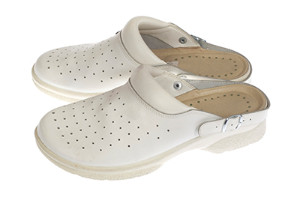
Shoes made with low-quality materials or poor construction may seem appealing due to their price, but they can take a toll on your foot health, over time. Without proper support, cushioning, or fit, these shoes may contribute to fatigue, pain, and misalignment in the feet and legs. Flat soles and flimsy arch support can lead to overuse injuries or worsen existing conditions, such as heel pain or hammertoes. Wearing unsupportive footwear regularly may also affect posture and place added strain on the knees, hips, or lower back. Replacing shoes frequently or seeking treatment for chronic foot issues can become more expensive than investing in proper footwear from the start. If you are experiencing foot discomfort that may be related to your shoes, it is suggested that you consult a podiatrist for expert advice, care, and qualities to look for in good shoes.
Foot Pain
Foot pain can be extremely painful and debilitating. If you have a foot pain, consult with Imaze Marian Davis, DPM from Marian Davis, DPM, PA. Our doctors will assess your condition and provide you with quality foot and ankle treatment.
Causes
Foot pain is a very broad condition that could be caused by one or more ailments. The most common include:
- Bunions
- Hammertoes
- Plantar Fasciitis
- Bone Spurs
- Corns
- Tarsal Tunnel Syndrome
- Ingrown Toenails
- Arthritis (such as Gout, Rheumatoid, and Osteoarthritis)
- Flat Feet
- Injury (from stress fractures, broken toe, foot, ankle, Achilles tendon ruptures, and sprains)
- And more
Diagnosis
To figure out the cause of foot pain, podiatrists utilize several different methods. This can range from simple visual inspections and sensation tests to X-rays and MRI scans. Prior medical history, family medical history, and any recent physical traumatic events will all be taken into consideration for a proper diagnosis.
Treatment
Treatment depends upon the cause of the foot pain. Whether it is resting, staying off the foot, or having surgery; podiatrists have a number of treatment options available for foot pain.
If you have any questions, please feel free to contact our office located in Miami, FL . We offer the newest diagnostic and treatment technologies for all your foot care needs.