Connect With Us
Blog
Items filtered by date: September 2025
Tuesday, 30 September 2025 00:00
Why Foot Exercises Are Important

Strong and flexible feet play a vital role in balance, mobility, and reducing the risk of injury. Exercises designed for the feet, toes, and ankles can improve strength, flexibility, and range of motion, which may help reduce stiffness and discomfort. When the muscles in the feet are strong, they provide better support for the arches and joints. This lowers the chance of experiencing strain during daily activities or exercise. Stretching movements can also keep tendons and ligaments flexible, easing pressure on the heels and arches. Without proper conditioning, your feet may be more vulnerable to heel pain, toe cramps, and reduced mobility. A podiatrist can assess foot function, recommend targeted exercises, and guide patients in strengthening weak areas to support overall foot health. Exercises are especially valuable for anyone who spends long hours standing, wears shoes such as flip-flops, or participates in high-impact activities. If you have frequent foot pain, it is suggested that you make an appointment with a podiatrist for an exam and treatment, which may include specific exercises
Exercising your feet regularly with the proper foot wear is a great way to prevent injuries and build strength. If you have any concerns about your feet, contact Imaze Marian Davis, DPM from Marian Davis, DPM, PA. Our doctors can provide the care you need to keep you pain-free and on your feet.
Exercise for Your Feet
Exercise for your feet can help you gain strength, mobility and flexibility in your feet. They say that strengthening your feet can be just as rewarding as strengthening another part of the body. Your feet are very important, and we often forget about them in our daily tasks. But it is because of our feet that are we able to get going and do what we need to. For those of us fortunate enough to not have any foot problems, it is an important gesture to take care of them to ensure good health in the long run.
Some foot health exercises can include ankle pumps, tip-toeing, toe rises, lifting off the floor doing reps and sets, and flexing the toes. It is best to speak with Our doctors to determine an appropriate regimen for your needs. Everyone’s needs and bodies are different, and the activities required to maintain strength in the feet vary from individual to individual.
Once you get into a routine of doing regular exercise, you may notice a difference in your feet and how strong they may become.
If you have any questions, please feel free to contact our office located in Miami, FL . We offer the newest diagnostic and treatment technologies for all your foot care needs.
Sunday, 28 September 2025 00:00
It's Time for Beautiful Feet

You don't need an excuse to have beautiful nails. Step outside without worrying about the appearance of your feet.
Tuesday, 23 September 2025 00:00
What Are the Symptoms of Toenail Fungus?
 There are noticeable symptoms that occur when toenail fungus develops. These can include yellowing of the toenails, and in advanced stages, they can thicken and can possibly detach from the nail bed. Many patients find their nails have become unsightly, and the texture may have changed if afflicted with fungus. A toenail fungal infection is caused by a fungus that lives and thrives in warm and moist environments, including public shower room floors, pools, and surrounding areas. Proper prevention techniques can consist of wearing appropriate shoes while in these types of places, in addition to refraining from sharing towels, socks, and shoes. There are various treatment methods available, and it is suggested that you consult with a podiatrist who can determine what the most effective treatment is for you.
If left untreated, toenail fungus may spread to other toenails, skin, or even fingernails. If you suspect you have toenail fungus it is important to seek treatment right away. For more information about treatment, contact Imaze Marian Davis, DPM of Marian Davis, DPM, PA. Our doctors can provide the care you need to keep you pain-free and on your feet.
Symptoms
- Warped or oddly shaped nails
- Yellowish nails
- Loose/separated nail
- Buildup of bits and pieces of nail fragments under the nail
- Brittle, broken, thickened nail
Treatment
If self-care strategies and over-the-counter medications does not help your fungus, your podiatrist may give you a prescription drug instead. Even if you find relief from your toenail fungus symptoms, you may experience a repeat infection in the future.
Prevention
In order to prevent getting toenail fungus in the future, you should always make sure to wash your feet with soap and water. After washing, it is important to dry your feet thoroughly especially in between the toes. When trimming your toenails, be sure to trim straight across instead of in a rounded shape. It is crucial not to cover up discolored nails with nail polish because that will prevent your nail from being able to “breathe”.
In some cases, surgical procedure may be needed to remove the toenail fungus. Consult with your podiatrist about the best treatment options for your case of toenail fungus.
If you have any questions please contact our office located in Miami, FL . We offer the newest diagnostic and treatment technologies for all your foot and ankle needs.
Tuesday, 16 September 2025 00:00
Care From a Podiatrist for Bunion Management

A bunion, medically known as hallux valgus, is a bony bump that forms at the base of the big toe, as the tip of the toe angles inward toward the others. Bunions develop over time due to pressure on the joint, often from wearing tight or ill-fitting shoes, genetics, or structural abnormalities of the foot. Risk factors include high-arched feet, arthritis, and occupations or activities that place repeated stress on the feet. Symptoms include pain, swelling, redness, and difficulty wearing shoes comfortably. A podiatrist can evaluate the condition, recommend orthotics, suggest proper footwear, provide treatments to reduce discomfort, and discuss surgical options, if necessary. If you have developed a bunion, it is suggested that you schedule a consultation with a podiatrist who can offer appropriate treatment solutions.
If you are suffering from bunions, contact Imaze Marian Davis, DPM of Marian Davis, DPM, PA. Our doctors can provide the care you need to keep you pain-free and on your feet.
What Is a Bunion?
A bunion is formed of swollen tissue or an enlargement of boney growth, usually located at the base joint of the toe that connects to the foot. The swelling occurs due to the bones in the big toe shifting inward, which impacts the other toes of the foot. This causes the area around the base of the big toe to become inflamed and painful.
Why Do Bunions Form?
Genetics – Susceptibility to bunions are often hereditary
Stress on the feet – Poorly fitted and uncomfortable footwear that places stress on feet, such as heels, can worsen existing bunions
How Are Bunions Diagnosed?
Podiatrists often perform two tests – blood tests and x-rays – when trying to diagnose bunions, especially in the early stages of development. Blood tests help determine if the foot pain is being caused by something else, such as arthritis, while x-rays provide a clear picture of your bone structure to your provider.
How Are Bunions Treated?
- Refrain from wearing heels or similar shoes that cause discomfort
- Select wider shoes that can provide more comfort and reduce pain
- Anti-inflammatory and pain management drugs
- Orthotics or foot inserts
- Surgery
If you have any questions, please feel free to contact our office located in Miami, FL . We offer the newest diagnostic and treatment technologies for all your foot care needs.
Tuesday, 09 September 2025 00:00
Ankle and Foot Arthropathies
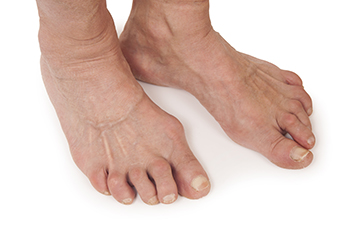
Ankle and foot arthropathies, including rheumatoid arthritis, or RA, are chronic conditions that cause joint inflammation, pain, and deformity. Rheumatoid arthritis is an autoimmune disease where the immune system mistakenly attacks healthy joint tissues, leading to swelling, stiffness, and damage, over time. In the feet and ankles, RA can cause pain, warmth, swelling, and visible deformities like bunions or hammertoes. It may lead to difficulty walking, joint instability, or stiffness, especially in the morning or after rest. The skin surrounding the affected joints may appear red and feel tender to the touch. A podiatrist plays a vital role in managing RA-related foot and ankle issues. They can evaluate joint function, order imaging tests, and develop a personalized treatment plan. Treatment includes custom orthotics, supportive footwear, targeted exercises, corticosteroid injections, or surgical correction, in advanced cases. Early care can slow joint damage and improve mobility. If arthritis is affecting your feet, it is suggested that you schedule an appointment with a podiatrist for effective relief and management tips.
Because RA affects more than just your joints, including the joints in your feet and ankles, it is important to seek early diagnosis from your podiatrist if you feel like the pain in your feet might be caused by RA. For more information, contact Imaze Marian Davis, DPM of Marian Davis, DPM, PA. Our doctors will assist you with all of your podiatric concerns.
What Is Rheumatoid Arthritis?
Rheumatoid Arthritis (RA) is an autoimmune disorder in which the body’s own immune system attacks the membranes surrounding the joints. Inflammation of the lining and eventually the destruction of the joint’s cartilage and bone occur, causing severe pain and immobility.
Rheumatoid Arthritis of the Feet
Although RA usually attacks multiple bones and joints throughout the entire body, almost 90 percent of cases result in pain in the foot or ankle area.
Symptoms
- Swelling and pain in the feet
- Stiffness in the feet
- Pain on the ball or sole of feet
- Joint shift and deformation
Diagnosis
Quick diagnosis of RA in the feet is important so that the podiatrist can treat the area effectively. Your doctor will ask you about your medical history, occupation, and lifestyle to determine the origin of the condition. Rheumatoid Factor tests help to determine if someone is affected by the disease.
If you have any questions, please feel free to contact our office located in Miami, FL . We offer the newest diagnostic and treatment technologies for all your foot care needs.
Tuesday, 02 September 2025 00:00
Orthotics and Their Role in Foot Health

Orthotics are custom or prefabricated shoe inserts designed to support, align, and improve the function of the feet. They come in different types, including rigid orthotics for control, soft orthotics for cushioning, and semi-rigid devices that combine both benefits. People may need orthotics to relieve pain from conditions like plantar fasciitis, flat feet, bunions, or arthritis, as well as to improve posture and prevent injuries. A podiatrist can evaluate your gait, diagnose underlying issues, and recommend the right orthotic solution tailored to your needs. If you are experiencing foot or ankle discomfort, it is suggested that you consult a podiatrist who can determine if orthotics will benefit you and what type of orthotic is right for you.
If you are having discomfort in your feet and would like to try orthotics, contact Imaze Marian Davis, DPM from Marian Davis, DPM, PA. Our doctors can provide the care you need to keep you pain-free and on your feet.
What Are Orthotics?
Orthotics are inserts you can place into your shoes to help with a variety of foot problems such as flat feet or foot pain. Orthotics provide relief and comfort for minor foot and heel pain but can’t correct serious biomechanical problems in your feet.
Over-the-Counter Inserts
Orthotics come in a wide variety of over-the-counter inserts that are used to treat foot pain, heel pain, and minor problems. For example, arch supports can be inserted into your shoes to help correct overarched or flat feet, while gel insoles are often used because they provide comfort and relief from foot and heel pain by alleviating pressure.
Prescription Orthotics
If over-the-counter inserts don’t work for you or if you have a more severe foot concern, it is possible to have your podiatrist prescribe custom orthotics. These high-quality inserts are designed to treat problems such as abnormal motion, plantar fasciitis, and severe forms of heel pain. They can even be used to help patients suffering from diabetes by treating foot ulcers and painful calluses and are usually molded to your feet individually, which allows them to provide full support and comfort.
If you are experiencing minor to severe foot or heel pain, it’s recommended to speak with your podiatrist about the possibilities of using orthotics. A podiatrist can determine which type of orthotic is right for you and allow you to take the first steps towards being pain-free.
If you have any questions, please feel free to contact our office located in Miami, FL . We offer the newest diagnostic and treatment technologies for all your foot care needs.