Connect With Us
Blog
Items filtered by date: January 2026
Wednesday, 28 January 2026 00:00
Plantar Warts Can Be Treated!

Plantar warts are small growths that develop on parts of the feet that bear weight. They're typically found on the bottom of the foot. Don't live with plantar warts, and call us today!
Tuesday, 27 January 2026 00:00
Signs and Treatment of a Broken Heel Bone
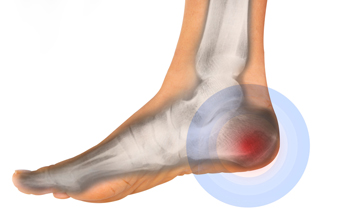
Signs of a broken heel bone often develop quickly after an injury and can make walking very difficult. The heel bone, known medically as the calcaneus, supports the back of the foot and works to help the foot roll inward and outward during movement. A break in the heel bone often causes sudden swelling, severe heel pain, and bruising that spreads through the back of the foot. Many people cannot put weight on the injured foot at all. The pain usually worsens when trying to stand, walk, or even move the ankle. In some heel bone fractures, the skin stays intact, but when the skin is broken, surgery is needed right away to reduce the risk of serious complications. A podiatrist can evaluate the injury, order imaging, and guide proper treatment to help protect long-term foot function. If you believe you have broken your heel bone, it is suggested that you make an immediate appointment with a podiatrist for a diagnosis and treatment.
A broken foot requires immediate medical attention and treatment. If you need your feet checked, contact Imaze Marian Davis, DPM from Marian Davis, DPM, PA. Our doctors can provide the care you need to keep you pain-free and on your feet.
Broken Foot Causes, Symptoms, and Treatment
A broken foot is caused by one of the bones in the foot typically breaking when bended, crushed, or stretched beyond its natural capabilities. Usually the location of the fracture indicates how the break occurred, whether it was through an object, fall, or any other type of injury.
Common Symptoms of Broken Feet:
- Bruising
- Pain
- Redness
- Swelling
- Blue in color
- Numbness
- Cold
- Misshapen
- Cuts
- Deformities
Those that suspect they have a broken foot shoot seek urgent medical attention where a medical professional could diagnose the severity.
Treatment for broken bones varies depending on the cause, severity and location. Some will require the use of splints, casts or crutches while others could even involve surgery to repair the broken bones. Personal care includes the use of ice and keeping the foot stabilized and elevated.
If you have any questions, please feel free to contact our office located in Miami, FL . We offer the newest diagnostic and treatment technologies for all your foot care needs.
Tuesday, 20 January 2026 00:00
Why Calcaneal Spurs Can Cause Heel Discomfort
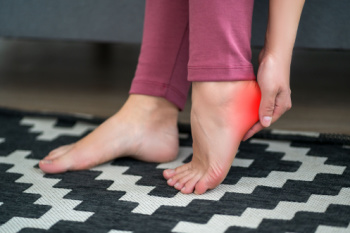
A calcaneal spur is a small bony projection that forms on the heel bone, often in response to repeated strain on the soft tissues that attach in this area. Many people develop these growths without noticing any symptoms, but others feel sharp or aching pain when the surrounding tissues become irritated. Discomfort may be most noticeable with the first steps in the morning or after long periods of standing, and shoes with poor support can make the problem worse. Calcaneal spurs often develop alongside conditions like plantar fasciitis, which increases tension on the heel and contributes to inflammation. Treatment focuses on easing the stress placed on the heel through wearing supportive footwear, cushioned inserts, stretching, and activity adjustments. A podiatrist can confirm the diagnosis, identify contributing factors, and recommend targeted care. If your heel pain persists or interferes with walking, it is suggested that you see a podiatrist for effective relief and treatment solutions.
Heel spurs can be incredibly painful and sometimes may make you unable to participate in physical activities. To get medical care for your heel spurs, contact Imaze Marian Davis, DPM from Marian Davis, DPM, PA. Our doctors will do everything possible to treat your condition.
Heels Spurs
Heel spurs are formed by calcium deposits on the back of the foot where the heel is. This can also be caused by small fragments of bone breaking off one section of the foot, attaching onto the back of the foot. Heel spurs can also be bone growth on the back of the foot and may grow in the direction of the arch of the foot.
Older individuals usually suffer from heel spurs and pain sometimes intensifies with age. One of the main condition's spurs are related to is plantar fasciitis.
Pain
The pain associated with spurs is often because of weight placed on the feet. When someone is walking, their entire weight is concentrated on the feet. Bone spurs then have the tendency to affect other bones and tissues around the foot. As the pain continues, the feet will become tender and sensitive over time.
Treatments
There are many ways to treat heel spurs. If one is suffering from heel spurs in conjunction with pain, there are several methods for healing. Medication, surgery, and herbal care are some options.
If you have any questions, please feel free to contact our office located in Miami, FL . We offer the newest diagnostic and treatment technologies for all your foot care needs.
Tuesday, 13 January 2026 00:00
What Is Turf Toe?
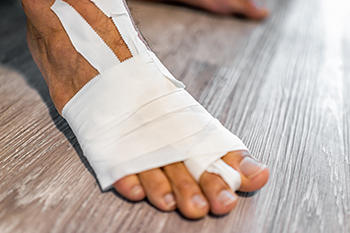
Turf toe is a sprain of the big toe joint that occurs when the toe bends upward too far, often during sports on artificial turf or hard surfaces. Symptoms include pain, swelling, stiffness, and reduced push off strength. The joint may look swollen or bruised, and it may feel sore, unstable, or sharply painful when walking or running. Causes include sudden force, repeated stress, and high impact activities like football, soccer, or dance. A podiatrist can help from the start by taking a detailed history, examining joint movement, and ordering imaging if needed to confirm diagnosis and rule out fractures. Treatment options include taping, immobilization, footwear modification, and anti-inflammatory care, with surgery considered only for severe cases. Early professional care supports healing, protects joint function, and reduces long-term stiffness. If you suspect you have injured your toe it is suggested that you make an appointment with a podiatrist.
Toe pain can disrupt your daily activities. If you have any concerns, contact Imaze Marian Davis, DPM of Marian Davis, DPM, PA. Our doctors can provide the care you need to keep you pain-free and on your feet.
What Causes Toe Pain?
Most severe toe pain is caused due to a sports injury, trauma from dropping something heavy on the toe, or bumping into something rigid. Other problems can develop over time for various reasons.
Toe pain can be caused by one or more ailments. The most common include:
- Trauma
- Sports injury
- Wearing shoes that are too tight
- Arthritis
- Gout
- Corns and calluses
- Hammertoe
- Bunions
- Blisters
- Ingrown toenails
- Sprains
- Fractures (broken bones)
- Dislocations
When to See a Podiatrist
- Severe pain
- Persistent pain that lasts more than a week
- Signs of infection
- Continued swelling
- Pain that prevents walking
Diagnosis
In many cases the cause of toe pain is obvious, but in others, a podiatrist may want to use more advanced methods to determine the problem. These can range from simple visual inspections and sensation tests to X-rays and MRI scans. Prior medical history, family medical history, and any recent physical traumatic events will all be taken into consideration for a proper diagnosis.
Treatment
Treatments for toe pain and injuries vary and may include shoe inserts, padding, taping, medicines, injections, and in some cases, surgery. If you believe that you have broken a toe, please see a podiatrist as soon as possible.
If you have any questions please contact our office located in Miami, FL . We offer the newest diagnostic and treatment technologies for all your foot and ankle needs.
Tuesday, 06 January 2026 00:00
Practical Ways to Reduce the Risk of Falls
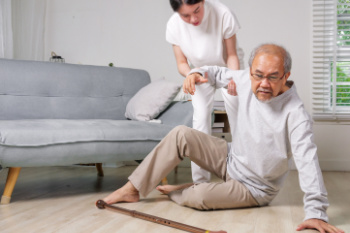
Staying steady on your feet becomes easier when you build habits that support balance, strength, and awareness. Choosing supportive shoes with slip resistant soles can make everyday movement more secure. Clearing walkways, improving lighting, and keeping frequently used items within easy reach also reduce chances of accidental missteps. Simple daily movements, such as rising slowly from a chair and pausing before walking, can help your body adjust and prevent sudden unsteadiness. Regular activity that strengthens the legs and feet improves stability over time, while paying attention to dizziness, vision changes, or medication effects can reveal issues that need attention. A podiatrist can assess your foot structure, evaluate your gait, and recommend footwear or inserts that make each step more confident. If you are noticing increasing unsteadiness, recent near falls, or injuries to your feet or ankles from falling, it is suggested that you see a podiatrist who can treat foot and ankle injuries, and guide you on additional fall prevention tips.
Preventing falls among the elderly is very important. If you are older and have fallen or fear that you are prone to falling, consult with Imaze Marian Davis, DPM from Marian Davis, DPM, PA. Our doctors will assess your condition and provide you with quality advice and care.
Every 11 seconds, an elderly American is being treated in an emergency room for a fall related injury. Falls are the leading cause of head and hip injuries for those 65 and older. Due to decreases in strength, balance, senses, and lack of awareness, elderly persons are very susceptible to falling. Thankfully, there are a number of things older persons can do to prevent falls.
How to Prevent Falls
Some effective methods that older persons can do to prevent falls include:
- Enrolling in strength and balance exercise program to increase balance and strength
- Periodically having your sight and hearing checked
- Discuss any medications you have with a doctor to see if it increases the risk of falling
- Clearing the house of falling hazards and installing devices like grab bars and railings
- Utilizing a walker or cane
- Wearing shoes that provide good support and cushioning
- Talking to family members about falling and increasing awareness
Falling can be a traumatic and embarrassing experience for elderly persons; this can make them less willing to leave the house, and less willing to talk to someone about their fears of falling. Doing such things, however, will increase the likelihood of tripping or losing one’s balance. Knowing the causes of falling and how to prevent them is the best way to mitigate the risk of serious injury.
If you have any questions, please feel free to contact our office located in Miami, FL . We offer the newest diagnostic and treatment technologies for all your foot care needs.